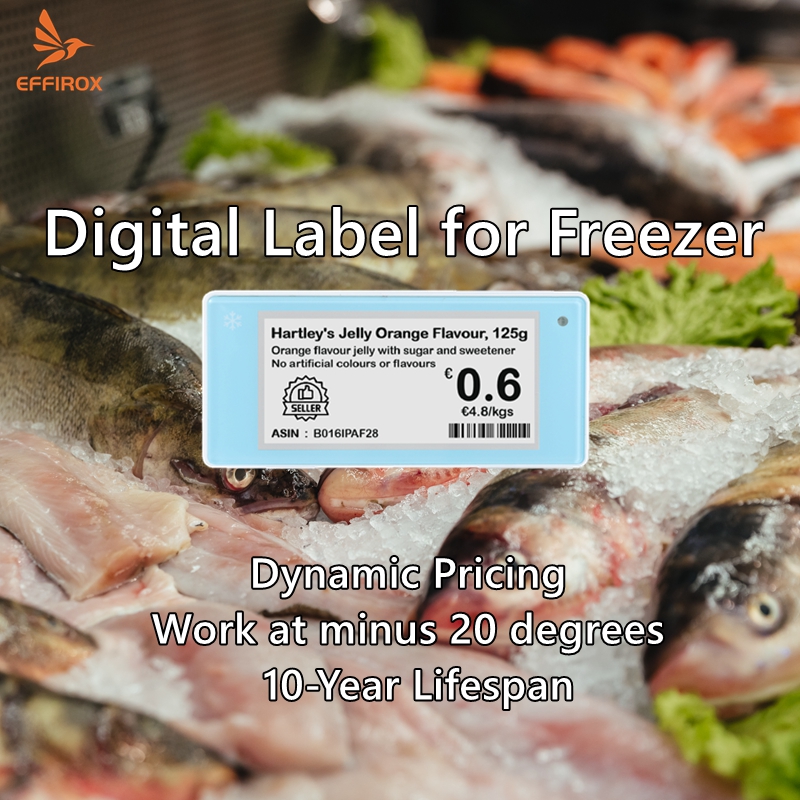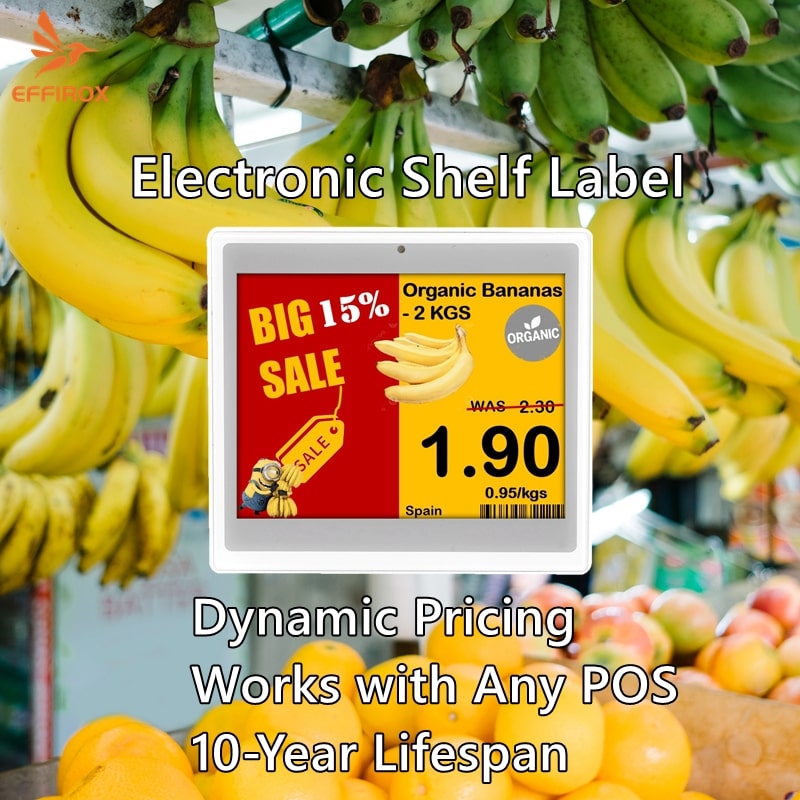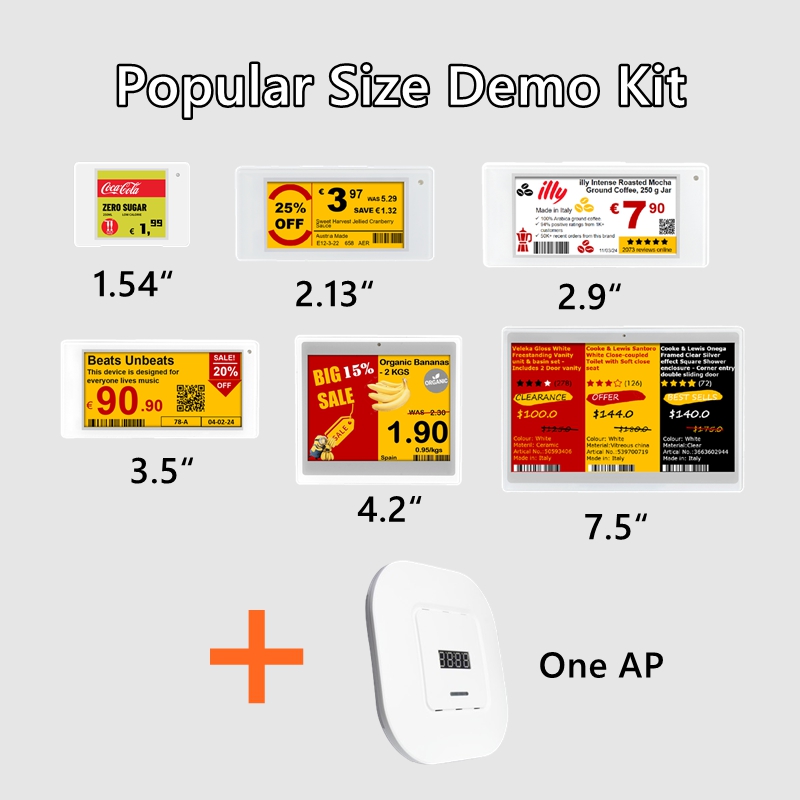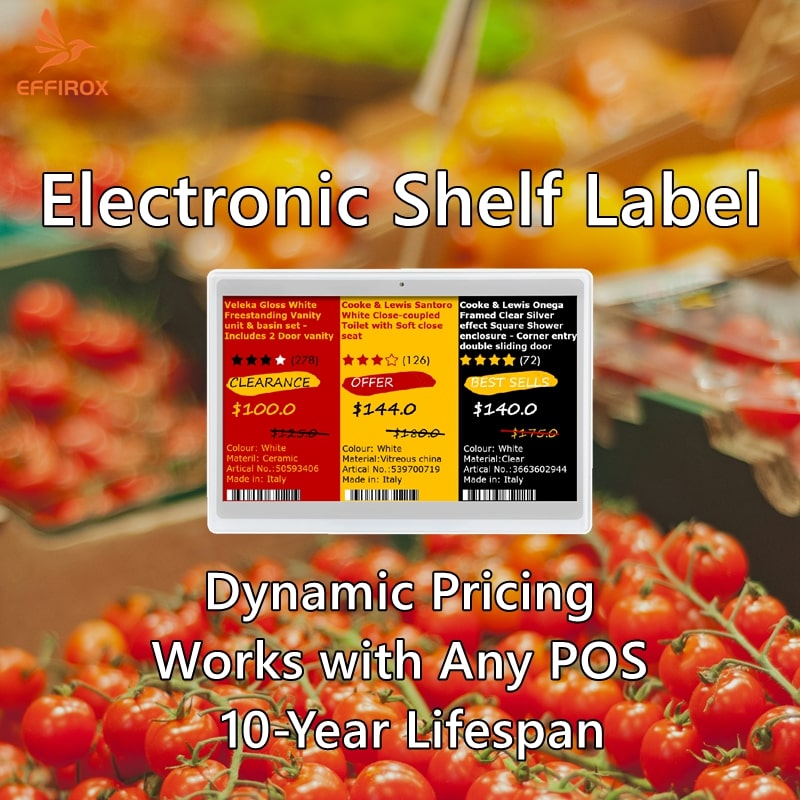
For decades, one of the most persistent, time-consuming, and error-prone tasks has been a simple one: changing prices. Enter the electronic shelf label. But are digital price tags just a flashy gadget, or are they a genuine tool for significant cost reduction? At Effirox, we see them as the latter. Let's break down the real, quantifiable ways Digital Price Tags slash operational costs.
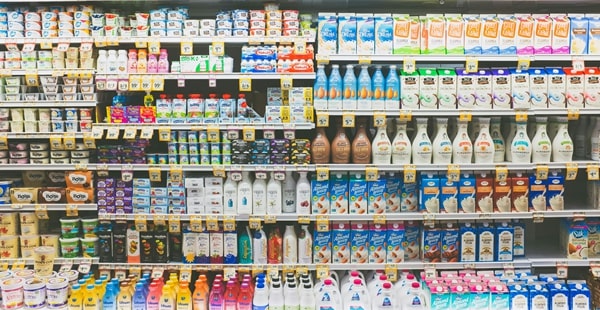
1. The Labor Cost Cruncher: Eliminating Manual Price Updates
Imagine a mid-sized grocery store with 10,000 products. A store-wide promotional event requires price changes on 30% of items—that's 3,000 labels. A two-person team, working efficiently, might take an average of 15 seconds per label: walking, finding the product, removing the old sticker, and applying the new one.
The Math: 3,000 labels x 15 seconds = 45,000 seconds = 750 minutes = 12.5 person-hours.
The Cost: At an average hourly wage of 15, that's 187.50 in direct labor for a single price change event. And this doesn't account for the time spent printing, sorting, and distributing the paper labels, or the opportunity cost—what else could those employees have been doing? Stocking shelves, assisting customers, or managing inventory?
With Electronic Price Label system, the same store-wide price update is completed in minutes. A manager updates the prices in the centralized Product Information Management (PIM) system and, with a single click, synchronizes all 3,000 digital price tags simultaneously. The labor cost plummets from hundreds of dollars to mere pennies. Over a year, with weekly promotions, the savings are substantial, easily reaching tens of thousands of dollars.
2. The Error Eliminator: Boosting Pricing Accuracy and Customer Trust
Mistakes happen. A paper label might be placed on the wrong shelf, leading to a customer dispute at the checkout. This is more than just an annoyance; it's a cost center.
The Scenario: A customer picks up an item advertised at 4.99, but it scans at 5.99. This requires a price check, delaying the checkout line, frustrating the customer, and often resulting in the store honoring the lower price. Repeated discrepancies damage customer trust and can lead to compliance issues with pricing regulations.
Industry data suggests that pricing inaccuracies can occur in 1-3% of items in a store using paper labels.
Effirox digital price tags ensure 100% synchronization between the shelf price and the POS system. What the customer sees is exactly what they pay for. This eliminates costly disputes, maintains compliance, and builds a reputation for reliability. The cost saved from avoiding just a handful of disputes per day quickly adds up, protecting both revenue and brand integrity.
3. The Dynamic Pricing Engine: Unlocking Margin Optimization
For many retailers, especially in electronics, fashion, or groceries, the ability to react to market conditions is a superpower. Paper labels make this nearly impossible.
A Concrete Example: An Effirox client, a high-end electronics retailer, noticed a competitor had just dropped the price of a popular laptop model. Waiting for the weekly ad cycle was not an option. Using their Digital Price Tags system, they matched the competitor's price across all their stores within 10 minutes. This agility prevented lost sales and allowed them to strategically discount older inventory in real-time to make room for new stock.
Another Example: A supermarket can use Digital Price Tags to dynamically manage perishables. As the end of the day approaches, the system can automatically apply discounts to items like fresh bread, rotisserie chicken, or prepared salads. This reduces food waste—a massive cost for grocers—and increases sales of items that would otherwise be thrown out. This is strategic margin management that paper labels simply cannot support.
Conclusion: An Investment, Not an Expense
Viewing Effirox electronic shelf labels merely as a replacement for paper is a mistake. They are a strategic investment in operational efficiency. The return on investment is clear: dramatic reductions in labor, the virtual elimination of pricing errors, and the newfound power to leverage dynamic pricing for margin optimization.
The question for retailers is no longer if they can afford to implement digital price tags, but how long they can afford not to. The costs of manual, error-prone, and inflexible pricing are simply too high.
Ready to calculate your potential savings? Contact Effirox today for a personalized ROI analysis based on your store's specific data.


 Online Service
 sales@effirox.com
 WhatsApp:8617701969397