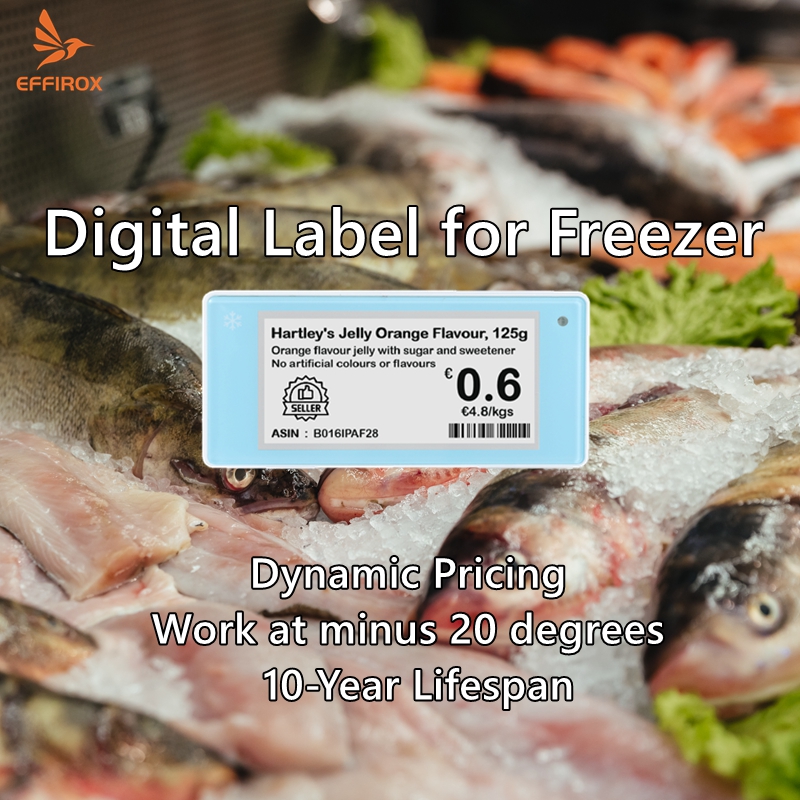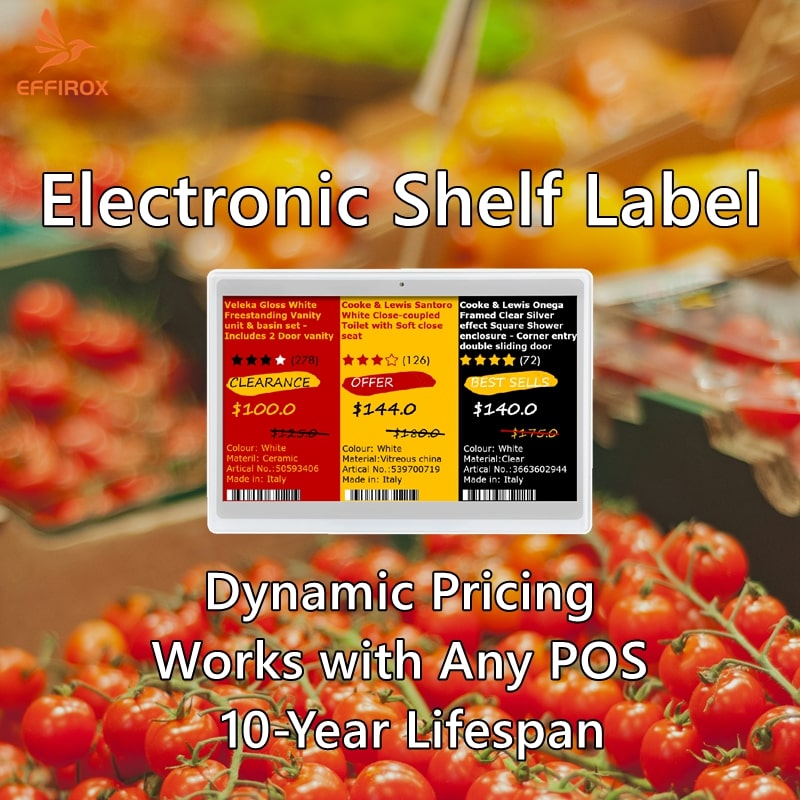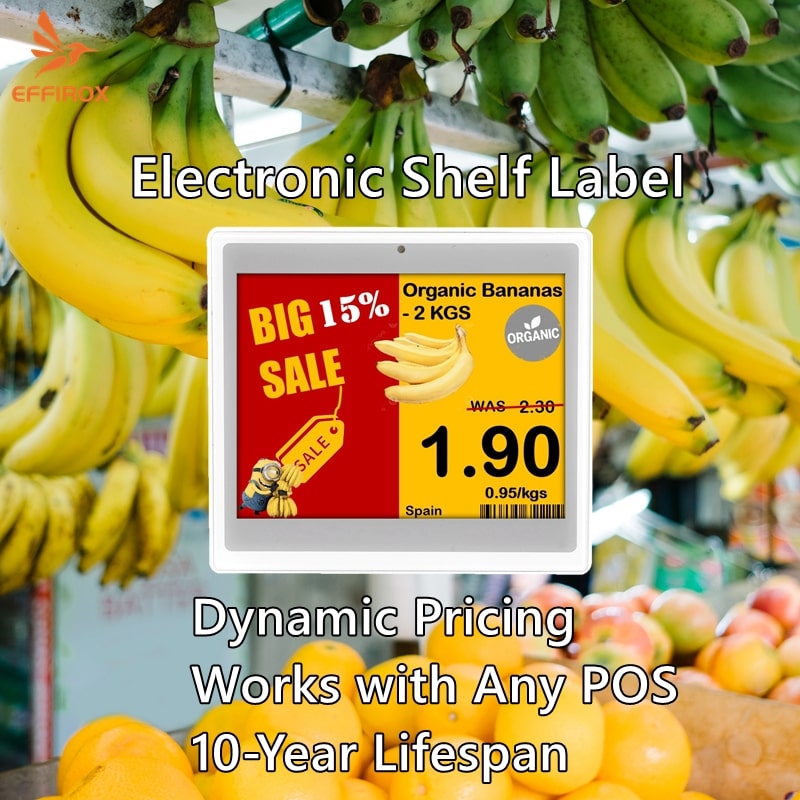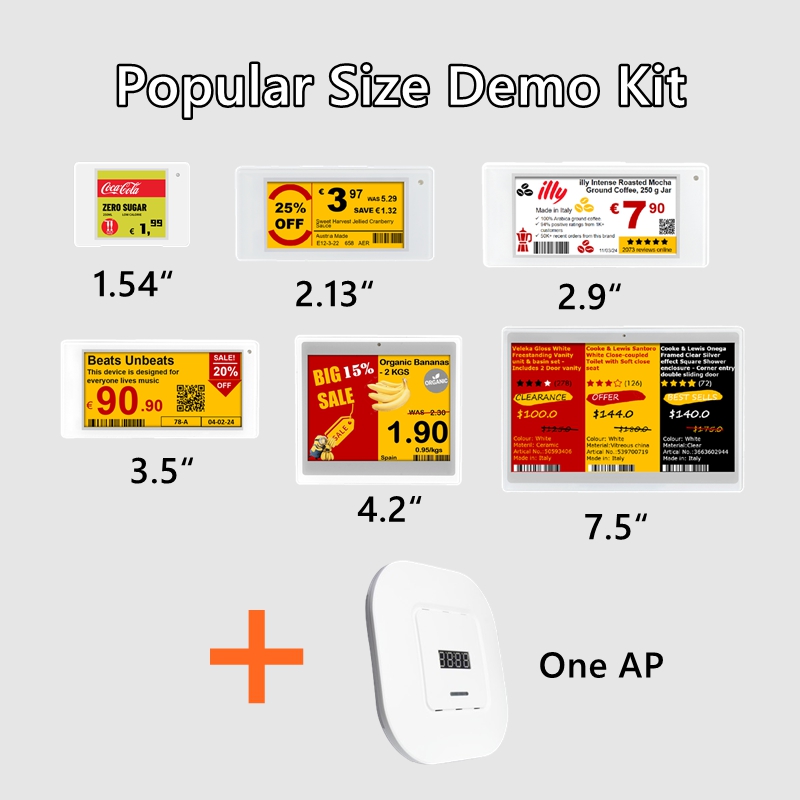
For today's retail leaders, the promise of omnichannel is clear: a seamless, unified shopping experience where online and in-store operations are not just connected, but intelligently synchronized. The goal is to meet customers wherever they are with consistent information and service. Yet, for many store owners and managers, the in-store component of this strategy often feels like the weakest link. Your website and app can update in real-time, but the sales floor? It's often trapped in the paper age. This disconnect creates friction that can undermine your entire strategy. Customers who see one price online and another in-store, or who find an "in-stock" item online only to encounter an empty shelf, experience a broken promise. Bridging this digital-physical gap is where a foundational store technology proves its immense value. I'm referring to the strategic deployment of electronic price tags.

At its core, a true omnichannel strategy demands a single source of truth for core information like price and availability. Electronic price tags become the physical manifestation of that truth on the shop floor. When your central pricing or inventory management system triggers a change—perhaps to match an online flash sale, to update a price across all channels, or to reflect real-time stock levels—that change is communicated instantly to the relevant electronic price tags. The price a customer sees on the shelf is no longer a static, potentially outdated piece of paper; it is a live data point, perfectly aligned with what they see on their phone.
This real-time synchronization is the bedrock of price and promotion consistency. It eliminates the costly confusion and customer dissatisfaction that arise from channel conflict, ensuring that your brand delivers a coherent message, whether the customer is browsing on a couch or in an aisle.
But the support for omnichannel goes beyond just price matching. These connected displays can be leveraged to directly enrich the in-store experience in ways that drive online goals. Imagine a tag that not only shows the price but also a simple QR code or "Scan for More" prompt. A customer curious about product details, reviews, or alternative colors could scan and be taken directly to the product page on your mobile site. This turns a passive shelf display into an interactive gateway to your digital inventory. It empowers associates, too. Staff equipped with tablets can verify that the information on a tag matches the central database in real-time, allowing them to assist customers with absolute confidence.
Furthermore, the ability to update shelf-edge information instantly means you can run truly integrated campaigns. You can promote "Online-Only" items in-store to drive web traffic, or highlight "Available for In-Store Pickup" on tags for items displayed on the floor, seamlessly guiding customer journeys between channels.
In essence, electronic price tags transform static shelves into connected, responsive nodes in your broader retail network. They ensure the store actively participates in and reinforces the omnichannel experience, making that experience not just a concept, but a daily, operational reality for your customers and your team.


 Online Service
 sales@effirox.com
 WhatsApp:8617701969397